




Effective Language Acquisition: Debunking Myths and Discovering Proven Pathways to Fluency

The journey to becoming fluent in a new language often feels like a daunting quest, clouded by myths of “natural talent” or requiring years of expensive, arduous study. Many believe that for effective language acquisition, you must start as a child, possess an innate linguistic gift, or live abroad for years. These beliefs, while common, are largely misleading. The truth is, with the right mindset and, more importantly, the right methodologies, anyone can achieve proficiency in a new language, regardless of age or perceived aptitude.
In today’s interconnected world, the ability to engage in effective language acquisition is more valuable than ever. It opens doors to new cultures, career opportunities, and deeper personal connections. But with so many apps, courses, and “hacks” available, how do you navigate the landscape of language learning? This article will debunk common misconceptions, highlight why mastering a new language is entirely possible for you, and present 5 highly effective strategies to help you on your journey towards truly effective language acquisition.
Why You Can Achieve Effective Language Acquisition: Debunking Common Myths
Before diving into methods, let’s address why the idea of learning a new language can seem daunting and dismantle the barriers holding many back from effective language acquisition.
Myth 1: You’re Too Old to Learn
While children’s brains are incredibly adept at language acquisition, adults have cognitive advantages, too. We possess better problem-solving skills, established learning strategies, and a clearer understanding of our motivations. Research consistently shows that adults can and do successfully engage in effective language acquisition.
Myth 2: You Need “Talent”
Language learning is a skill, not an innate talent. Like playing a musical instrument or learning to code, it requires consistent effort and effective practice. Believing in a “language gene” is often an excuse to avoid the work.
Myth 3: Immersion Abroad is the Only Way
While immersion in a target country is incredibly effective, it’s not the only way for effective language acquisition. Modern technology has brought immersion into our homes. You can create an immersive environment wherever you are, which is crucial for those striving for fluency without immediate travel.

The Foundational Principles for Effective Language Acquisition
Regardless of the specific method you choose, a few core principles underpin all successful language acquisition endeavors.
- Consistency over Intensity: Short, daily practice sessions are far more effective for effective language acquisition than sporadic, long study marathons.
- Motivation and Goal Setting: Clearly defined reasons for learning (e.g., travel, career, personal interest) provide the fuel to push through challenges.
- Embrace Mistakes: Errors are not failures; they are essential parts of the learning process. Don’t be afraid to speak, even if imperfectly.
5 Proven Ways to Facilitate Effective Language Acquisition
Now, let’s explore the strategies that actually yield results, moving beyond generic tips to actionable approaches for effective language acquisition.
1. The “Input Hypothesis” – Maximize Comprehensible Input (Even at Home)
Developed by linguist Stephen Krashen, the Input Hypothesis suggests that effective language acquisition happens when learners are exposed to “comprehensible input” – language that is slightly beyond their current level but still understandable due to context or prior knowledge.
- How it works: Surround yourself with the language. Watch movies/TV shows with subtitles (first in your native language, then in the target language), listen to podcasts, read simple books or news articles. The key is consistent, enjoyable exposure.
- Why it’s effective: It mimics natural language acquisition, building intuition and passive understanding without explicit grammar drills. This is fundamental to truly achieve effective language acquisition.
- Practical application: Start with children’s content or shows you already know in your native language. Use browser extensions that allow dual subtitles.
2. Spaced Repetition Systems (SRS) for Vocabulary and Grammar Mastery
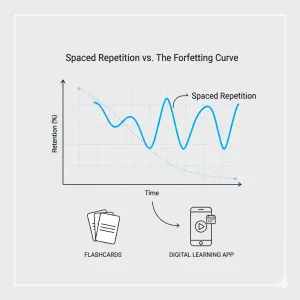
For memorizing vocabulary and grammatical structures, SRS is a scientifically proven method that optimizes your learning efficiency. Tools like Anki or Memrise leverage this system for effective language acquisition.
- How it works: SRS algorithms present you with flashcards at increasing intervals as you learn them. Words you know well appear less frequently, while those you struggle with appear more often, right before you’re likely to forget them.
- Why it’s effective: It leverages the “forgetting curve” to maximize retention with minimal effort. It’s incredibly efficient for building a strong lexical and grammatical foundation.
- Practical application: Dedicate 15-20 minutes daily to an SRS app. Focus on high-frequency words and phrases relevant to your goals.
3. The “Output Hypothesis” – Speak and Produce from Day One
While input is crucial for acquisition, output (speaking and writing) is essential for solidifying knowledge, identifying gaps, and building confidence. Don’t wait until you’re “perfect” to start speaking for effective language acquisition.
- How it works: Find native speakers or fellow learners to practice with. Online platforms (e.g., iTalki, Tandem) connect you with tutors or language exchange partners. Even talking to yourself or recording your voice can be beneficial.
- Why it’s effective: It forces your brain to retrieve and produce language, actively engaging different parts of your memory and motor skills. It builds fluency and helps you overcome the fear of speaking, accelerating your path to effective language acquisition.
- Practical application: Schedule regular conversations. Start with simple greetings and introductions, gradually building up to more complex topics. Focus on communication, not perfection.
4. “Topic-Based Learning” for Practical Relevance
Instead of learning random vocabulary lists, focus on topics that are immediately relevant to your life or interests. This makes learning more engaging and applicable for effective language acquisition.
- How it works: If you love cooking, learn vocabulary related to food, recipes, and restaurant interactions. If you travel, focus on phrases for airports, hotels, and directions.
- Why it’s effective: It creates meaningful connections for new information, making it easier to remember and use. It ensures that the language you acquire is immediately useful in real-world scenarios, accelerating your ability to communicate effectively.
- Practical application: Create mind maps for different topics. Use apps that allow you to customize vocabulary lists based on your interests.

5. Leverage the Power of Cultural Immersion (Even if Remote)
Language is intrinsically linked to culture. Understanding the cultural context enriches your learning and makes the process more enjoyable and intuitive, leading to more effective language acquisition.
- How it works: Explore the music, art, history, and cuisine of the target language’s culture. Follow news outlets, social media personalities, or blogs from native speakers.
- Why it’s effective: It provides context for idioms, humor, and social nuances that traditional textbooks often miss. It makes the language come alive and enhances your motivation. This holistic approach significantly boosts your ability for effective language acquisition. You can find excellent cultural resources on sites like BBC Languages for various languages.
- Practical application: Watch documentaries about the country, try cooking traditional recipes, or find online cultural exchange groups.
The Journey to Fluency: What to Expect in Effective Language Acquisition
Achieving effective language acquisition is a marathon, not a sprint. There will be plateaus, moments of frustration, and breakthroughs. Setting realistic expectations is vital.
- It takes time: Achieving true fluency (C1/C2 level) can take hundreds, if not thousands, of hours of dedicated study, as outlined by institutions like the Foreign Service Institute. However, achieving conversational proficiency (B1/B2) is attainable much faster with consistent effort.
- It’s rewarding: The journey itself is a reward. The ability to connect with people from different backgrounds, understand different perspectives, and access a wealth of new information is invaluable.
- Embrace the process: Don’t get fixated on perfection. Celebrate small victories and enjoy the process of discovery.
Conclusion: Empower Yourself for Effective Language Acquisition
The notion that only a select few can achieve effective language acquisition is a myth that needs to be discarded. With consistent effort, a positive mindset, and the application of proven strategies like comprehensible input, spaced repetition, active output, topic-based learning, and cultural immersion, you absolutely can reach your language learning goals. The path might have its challenges, but the rewards — from enriched travel experiences to enhanced career prospects and a broader worldview — are immeasurable. Start today, choose a method that resonates with you, and unlock the incredible world of multilingualism.
If you’re ready to apply the same strategic and effective approach to growing your business, consider how a professional marketing agency can guide your brand’s journey to success.